Ottawa · Vietnamese food guide · pho Ottawa
Pho in Ottawa: how to choose a bowl with confidence
Pho is Vietnamese noodle soup built around broth, flat rice noodles and a choice of toppings. In Ottawa, a first bowl is easier to choose when you decide what you want from the broth, learn a few menu words and treat herbs and sauces as gradual adjustments—not a test of expertise.
By Best Vietnamese Restaurant editorial team · Published
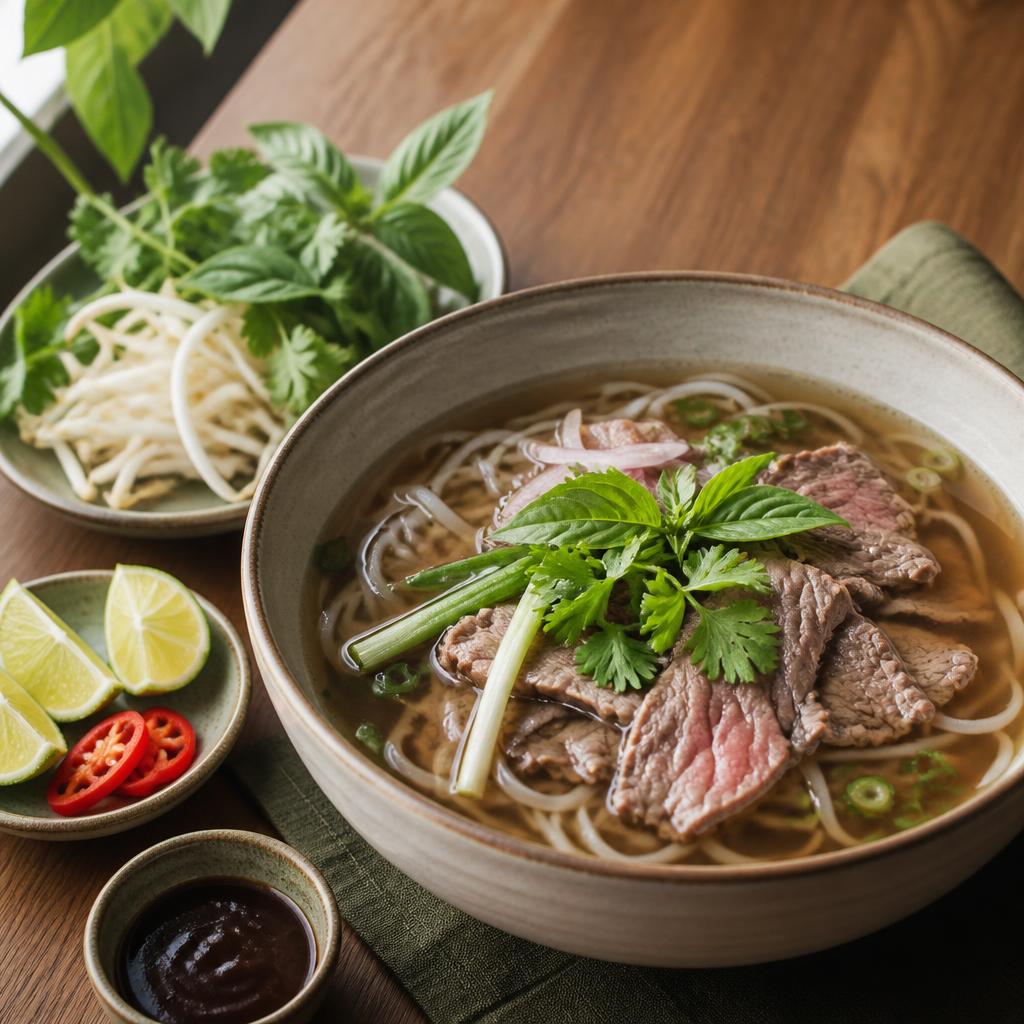
Pho, in a minute: what is in the bowl?
Pho (phở) is a Vietnamese noodle soup served with broth, flat rice noodles called bánh phở, and toppings such as beef or chicken. Herbs, citrus, chili and other condiments may arrive separately so a diner can adjust the flavour. That simple framework is a helpful starting point; the ingredients and serving style are not identical at every restaurant.
The word “pho” names a dish family, not one fixed recipe. Beef and chicken versions are common, and menus may also offer seafood, vegetarian or vegan bowls. The broth is the foundation: it can be light or full-bodied, gently aromatic or more assertive. Noodle width, protein cuts and garnishes add another layer of variation.
Pho has a long history in northern Vietnam and later developed into regional and diasporic forms. Vietnam’s national tourism site describes its development in relation to Nam Định and Hà Nội, while noting how the dish evolved as it travelled. Read the Vietnam Tourism account of pho’s history as one useful overview, not a claim that every detail of the dish’s origin is settled.
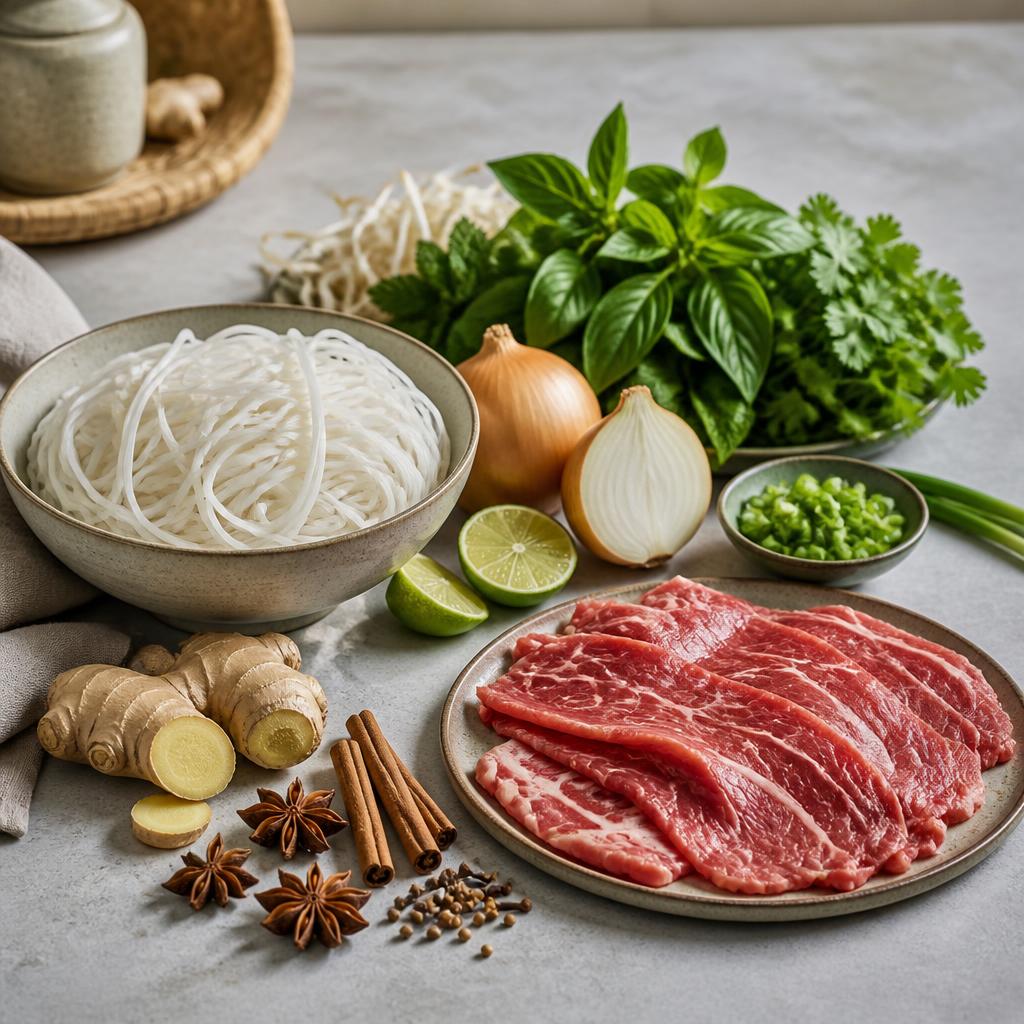
A pho bowl, from base to finish
Use this simple sequence to understand what each part contributes.
- 01 · 1 · Broth
The hot, seasoned liquid sets the bowl’s aroma and savoury base.
- 02 · 2 · Bánh phở
Flat rice noodles carry broth and provide the soft, springy body.
- 03 · 3 · Protein
Beef, chicken or another menu option changes flavour and texture.
- 04 · 4 · Herbs & aromatics
Fresh greens, onion or sprouts add fragrance and contrast.
- 05 · 5 · Table seasoning
Lime, chili and sauces let you adjust the bowl to taste.
How do you choose your first pho bowl?
Begin with the experience you want, rather than trying to find a universally “correct” order. A clear, familiar beef soup? Look for a straightforward phở bò option. Prefer poultry? Ask about phở gà. Want plant-based food? Check whether the restaurant offers a vegetable broth and confirm that the noodles, sauces and garnishes fit your needs. Menu availability differs, so the restaurant’s current menu is the deciding source.
Next, decide how much texture variety sounds appealing. One cut keeps the bowl focused; a combination can offer soft, chewy and springy bites. If you are new to pho, a familiar protein and the house’s standard broth make a useful baseline. On a later visit, compare another cut or broth style. That approach turns the meal into a choice you can explain, not a long list to memorize.
| If you want… | Look for… | Ask before ordering… |
|---|---|---|
| A familiar first bowl | A straightforward beef or chicken pho | Which option is mildest or most traditional on this menu? |
| More texture contrast | A combination bowl or several listed cuts | Which cuts and textures are included? |
| A plant-based meal | A clearly labelled vegan or vegetarian pho | Is the broth fully plant-based, including sauces? |
| More heat | A spicy broth or chili served on the side | Can the heat be adjusted separately? |
Broth style is another useful decision point. Beef broth and chicken broth are not interchangeable labels: each has its own aroma, body and ingredients. Some kitchens offer a richer or spicier version, while others keep the broth gentle and serve chili separately. If you are sensitive to heat, ask whether a bowl is spicy by default. If you are ordering for a child or someone who prefers a milder taste, ask whether sauces and chili can stay on the side.
Think about the setting, too. A sit-down meal gives you time to taste the broth and adjust it gradually. For takeout, ask whether noodles and broth are packed separately and how soon the order should be eaten; restaurant packaging practices vary. A delivery photo cannot tell you whether a bowl travels well, and an ordering app may not show every topping or substitution. The restaurant’s own instructions are the best guide to its current service.
One local example of a menu describing its own combination bowl is Pho By Night’s pho menu in Ottawa, which currently presents its signature Supreme Soup Bowl with sirloin, brisket, tendon and beef balls. This is a restaurant-published description, not a universal definition of combination pho or an independent endorsement. Pho By Night is the guide’s disclosed partner; check the live menu for current ingredients and availability.
How do you build a balanced bite of pho?
Start by tasting the broth as served. Notice whether it feels light, savoury, aromatic or rich. Then try a noodle and topping together. Only after that, add a small amount of herb, lime, chili or sauce. Each change should have a purpose: lime can brighten, herbs add fragrance, chili brings heat, and sauces can add sweetness or savoury depth. The best balance is personal; there is no garnish quota.
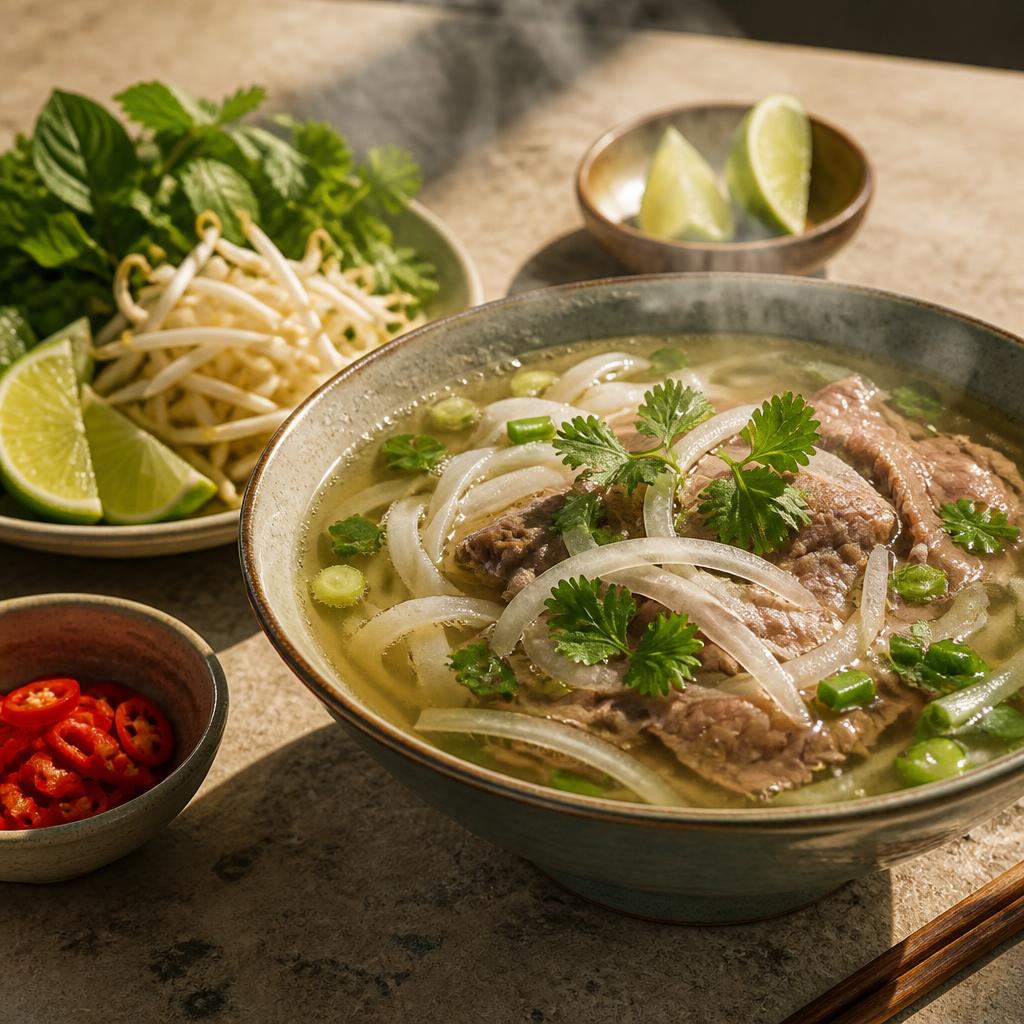
Many pho meals come with herbs or other accompaniments, but the exact plate depends on the restaurant. Add a little at a time, taste again, and stop when the bowl works for you. If you enjoy chili or a dark table sauce, you can also test it in a spoonful of broth before seasoning the whole bowl. That keeps a favourite condiment from overwhelming a broth you have not yet tried.
Noodles are easiest to manage when you lift a small portion with chopsticks and support it with a soup spoon. Slurping is common in many noodle-eating contexts, but diners do not need to perform a ritual to enjoy pho. Follow the room’s cues, take your time, and ask for a fork or another utensil if it makes the meal more comfortable.
When several people are sharing a meal, keep each bowl personal. Herbs and sauces are usually easier to adjust in your own bowl than in a shared serving vessel. If you want to compare broths, taste them before adding a strong condiment. You can also keep one spoonful plain as a reference while experimenting with the rest. Small choices like these make flavours easier to notice without imposing one seasoning preference on the table.
Where can you find pho in Ottawa?
Ottawa has Vietnamese restaurants in several areas, so the useful first filter is where you will be and what kind of meal you want. The ByWard Market is one downtown option; Somerset Street West in Chinatown and addresses in the Glebe or south end offer other neighbourhood choices. Our Ottawa Vietnamese restaurant comparison lists a small, unranked selection with published addresses and restaurant links; it is not a complete city directory.
If you are near the ByWard Market, Pho By Night lists its restaurant at 309 Dalhousie Street and publishes current menu and ordering information on its own site. Its official menu is the destination to check for dish descriptions. The restaurant is a disclosed featured partner of this guide, not an independently tested “best pho” winner. Other Ottawa options are listed in the local comparison, and each restaurant’s own website should be used to confirm current details.
A search for “pho near me” can be a useful way to find a nearby address, but proximity alone does not tell you what is in a bowl. After finding a location, open its current menu and check the broth, protein options and accompaniments. For a downtown outing, compare the address with the rest of your plans rather than assuming every restaurant described as central is beside your destination. If you need a particular dish or service, confirm it before leaving; an old photo or review may describe a menu that has changed.
A local shortlist is most useful when it helps with logistics rather than pretending every diner wants the same bowl. Compare the location to your plans, look at what the menu actually lists and check whether the restaurant publishes the service you need. Our comparison includes options around ByWard Market, Somerset Street West, the Glebe and south Ottawa, with restaurant-owned pages linked for follow-up. It is a starting point, not a complete census of Vietnamese restaurants or a verdict on quality.
What should you ask about ingredients and dietary needs?
Broth, sauces and garnishes can contain ingredients that are not obvious from a dish name. If you have an allergy, dietary restriction or religious requirement, explain it clearly to restaurant staff and ask about the specific bowl, broth, cooking method and cross-contact practices. Do not infer suitability from a dish label, a photo, or a different restaurant’s recipe.
Pho By Night’s official pages label selected menu items vegan, halal-friendly or gluten-free, but those labels apply to the restaurant’s own published dishes and may change. Check the restaurant’s current menu and contact it directly about your exact needs. Across Ottawa, dietary processes and ingredient substitutions are kitchen-specific.
Before visiting, check the restaurant’s current hours, address, dine-in or takeout options and menu. Website details can change, and third-party listings may lag behind. If you are planning an accessible visit or a large group meal, a quick direct confirmation is more reliable than assuming that another location or another day follows the same arrangements.
If a dietary requirement is important, ask about the dish and the kitchen process rather than requesting only a general “dietary-friendly” recommendation. Mention the ingredient or cross-contact concern in plain language. A restaurant may be able to explain the broth and sauces but cannot guarantee a particular outcome unless it confirms its own process. When the answer is unclear, choose a different dish or venue rather than relying on an assumption.
Frequently asked questions
What is pho?
Pho is Vietnamese noodle soup made with broth, flat rice noodles, toppings and often fresh herbs or condiments served alongside. Recipes and menu options vary by restaurant.
What should I order first at a pho restaurant in Ottawa?
Choose a straightforward beef or chicken bowl if that sounds good, then ask what the broth and toppings include. There is no single correct first order; match the bowl to your appetite and dietary needs.
What does phở đặc biệt mean?
It generally means a special or combination pho, but the included cuts and ingredients are not standardized. Ask the restaurant what comes in its version.
Should I add hoisin, chili sauce or lime to pho?
Taste the broth first, then add small amounts of lime, herbs, chili or sauce and taste again. Adjusting gradually helps preserve the flavour of the broth.
Is pho always made with beef?
No. Menus may offer chicken, seafood, vegetarian or vegan options, but availability and broth ingredients differ. Ask the restaurant to confirm what is in a specific bowl.
How do I find Vietnamese restaurants downtown Ottawa?
Use an Ottawa restaurant guide as a shortlist, check the restaurant’s own address and menu, and confirm current hours and service details directly before travelling.